


The spirit of Everest
More than adornment, every piece at EverestArtStudios is chosen to carry meaning, intention and a connection to timeless spiritual traditions.
Created for those seeking peace, strength, protection, mindfulness and meaning.
- Authentic craftsmanship
- Meaningful materials
- Worldwide shipping
- 30-day returns
- Thoughtful service


EverestArtstudios blessed Handmade Tibetan-Inspired Weathered Star & Moon Bodhi Root Mala Bracelet – 108 Beads | Hand-Knotted Meditation Prayer Beads
Choose your option


EverestArtstudios blessed Aged Star & Moon Bodhi Seed Mala 108 Beads | Handmade Buddhist Prayer Beads | Meditation Necklace Wrap Bracelet
Choose your option


EverestArtstudios blessed Tibetan Yak Bone Mala 108 Prayer Beads Antique Buddhist Rosary Vintage Yak Bone Bracelet Meditation Mala Healing Spirit Beads Boho
Choose your option


EverestArtstudios blessed Star Moon Bodhi Seed Mala: Tibetan Meditation Necklace Bracelet
Choose your option


Handcrafted Yak Bone Skull Mala Bracelet: Tibetan Prayer Beads
Choose your option


Handcrafted Tibetan Skull Mala Bracelet Camel Bone Amulet Beads
Choose your option


Handcrafted Tibetan Skull Mala Bracelet BlackSandalwood Amulet Beads
Choose your option


Handmade Tibetan Camel Bone Bracelet Citipati Skull Design customizable circumference available
Choose your option


Gilded Brass Shakyamuni Buddha Statue: Gemstone Inlay, Tibetan Altar Decor
Choose your option


Vajrasattva Statue | Full Gilded Copper Buddha with Gem Inlay | Tibetan Buddhist Home Altar Decor
Choose your option


Handmade Tibetan Padmasambhava Statue – Full Gold-Plated Copper Guru Rinpoche
Choose your option


Full Gilded Medicine Buddha Statue | Copper Bhaisajyaguru with Gem Inlay
Choose your option


Phurba Vajra Dagger Vintage Handmade Nepal Tibetan Pendant Necklace Dispels negative energy Pure Brass Amulet for Men and Women
Choose your option


Phurba Vajra Dagger Rotatable Vintage Handmade Nepal Tibetan Pendant Necklace: Pure Brass Amulet for Men and Women
Choose your option


Handcrafted Brass Tibetan Bell & Dorje Set: Buddhist Meditation Decor
Choose your option


Handcrafted 8.5” Phurba Vajra Dagger Vintage Handmade Nepal Tibetan Pure Brass Amulet
Choose your option


Wrathful Vajra Armor Guru Rinpoche Tsa Tsa, Jonang Dzambala Relics, Tibetan Buddhist Protection Amulet, Handmade Sacred Altar Statue
Choose your option


Handpainted Green Tara Mandala Gau Box Pendant, Tibetan Tsa Tsa Amulet Necklace, Sacred Buddhist Shrine Pendant
Choose your option


Handpainted Vajravarahi Tsa Tsa Pendant, Tibetan Diamond Sow Amulet, Laser Cut Waterproof Case Sacred Buddhist Protection Gift
Choose your option


Handpainted Kalachakra Tenfold Powerful Syllable Tsa Tsa Pendant, Tibetan Amulet, Waterproof Acrylic Case Buddhist Protection Gift
Choose your option


5 Colours Silk Tibetan Khata Scarf – Eight Auspicious Symbols, 300 cm × 41 cm (118” × 16”)
Choose your option


White Silk Tibetan Khata Scarf – Eight Auspicious Symbols, 290 cm × 59 cm (114” × 23”)
Choose your option


Red Embroidered Tibetan Khata Scarf with Eight Auspicious Symbol
Choose your option


Green Embroidered Tibetan Khata Scarf with Eight Auspicious Symbol
Choose your option


EverestArtStudios Red 108 Mala Beads – 6mm Tibetan Buddhist Prayer Mala with Green Accent Beads
Choose your option


EverestArtstudios 925 Sterling Silver Year Of The Dragon Auspicious Golden Dragon Luck Red Rope Chain Bracelet
Choose your option


EverestArtstudios 925 Sterling Silver Koi Fish Cinnabar Bead Wealth Handcrafted Braided Bracelet Anklet
Choose your option


EverestArtstudios 999 Gold One Mini Bead Design Handmade Strength Braided Rope Bracelet Anklet
Choose your option


EverestArtstudios 925 Sterling Silver Natural Hetian Jade Round Design Prosperity Necklace Pendant
Choose your option


EverestArtstudios Natural Hetian Jade Heart Cat Paw Design Abundance Bracelet
Choose your option


EverestArtstudios Natural Cyan Jade Koi Fish Gourd Prosperity Bracelet
Choose your option


EverestArtstudios Jade Rose Quartz Harmony New Chinese Style Bracelet
Choose your option


Our Story
Backstory of EverestArtStudios
🌸 I grew up with a mother who is a nun in Tibet, immersed in the quiet strength of prayer, compassion, and devotion. Though I am not from the high mountains myself, I carry their spirit in my heart.
🌍 Life led me to study abroad, giving me a rare chance to see beyond borders. I feel deeply that my path is to be a bridge—connecting Tibet’s sacred traditions with the wider world.
♻️ In the spirit of respect for the Earth, we pack with reused materials whenever possible. Walking lightly on this world is also part of our tradition.
🕯️ "Today, many Tibetan religious items face silence, restricted from being shared. These are not just objects; they are living expressions of wisdom and resilience. Through this shop, we preserve what is at risk of being forgotten. Every Handmade Vajra represents the indestructible power of the spirit.
💫 Every piece here is a blessing, a memory, and a voice that refuses to fade. Our Yak Bone Mala Beads are more than jewelry—they are tools for mindfulness. By bringing these into your life, you help keep alive a heritage of compassion and beauty.

Let customers speak for us
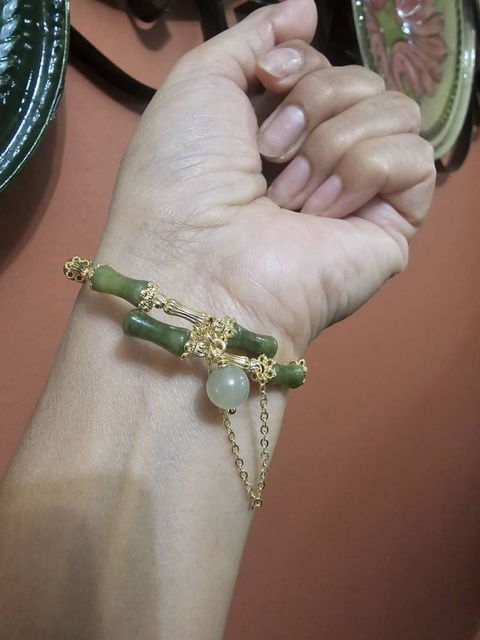
It just got here! And I love it, it's so beautiful and I am thankful for this artisan. It's 👌 perfect, like it always belonged to my wrist. Grateful and in ❤️ 😍. They took time and effort into the packaging process. I recommend 👌
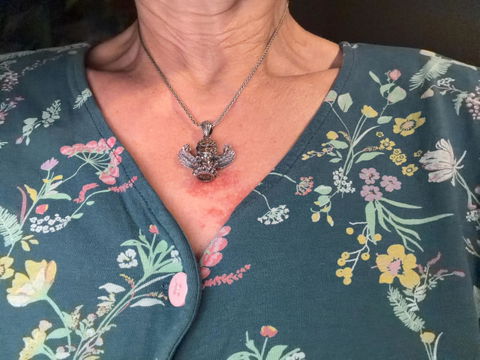
What a beauty -I really love it! It‘s such a delikate work and visibly made with love. I‘ll definetly come back to this shop.
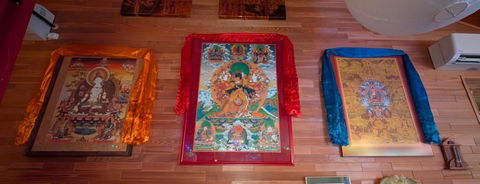
I found the Khata scarves to quite Beautiful, the service excellent and delivery timely, hence my being a return shopper.
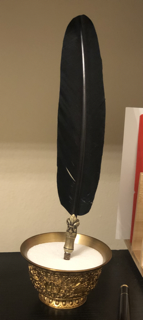
great
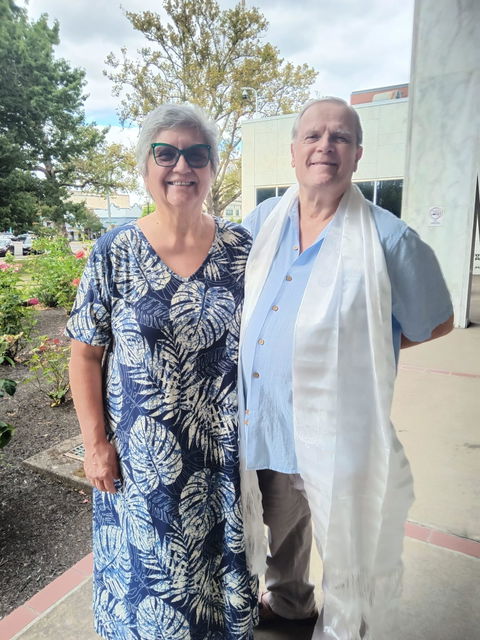
I ordered a white khata a little over 2 weeks before our wedding. I can't wear rings or other jewelry. But I wanted something special that my fiance could give me when I gave her the ring. I anxiously tried to follow the tracking of the package. I was very happy when it arrived earlier than expected. I was delighted when I opened the package to find 3 beautiful white khatas. I was touched when my wife offered it to me after I gave her the ring. Thank you very much for helping make a special event, very special.
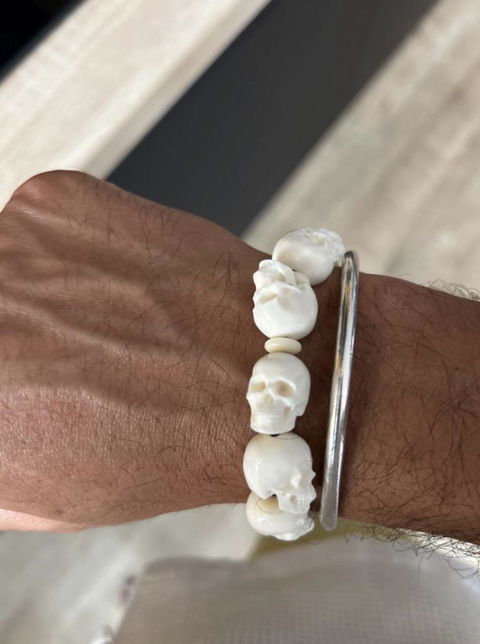
I ordered a Buddha statue from Wooser. He is very attentive, responds to requests very quickly, is highly reliable, and is very helpful to the customer. I highly recommend buying from him; I even received a stunning bracelet as a gift with my order. Thank you
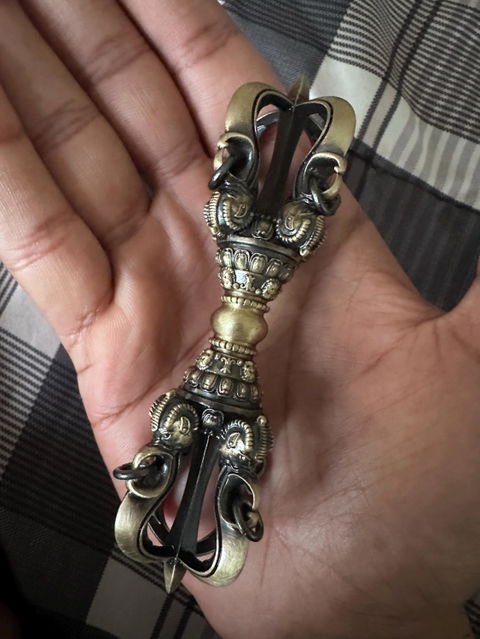
This Vajra looks beautiful and feels amazing, lot of details and has great vibes. Highly recommend this. Thank you for the complimentary pendant, the letters emit very good energy
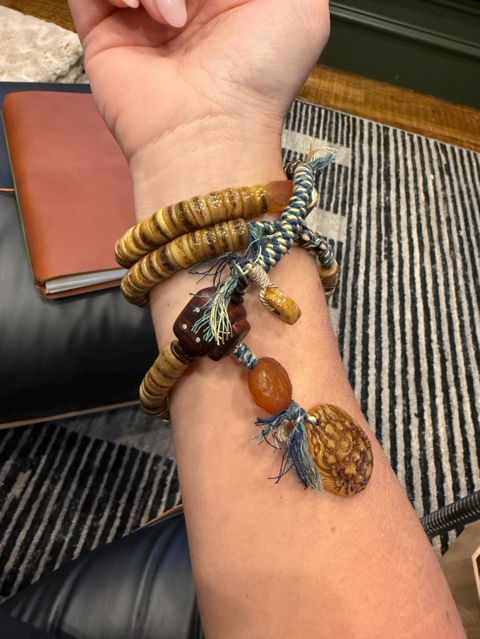
This is one of the most unique pieces I own. It’s gorgeous as both a necklace and an oversized bracelet, though I prefer it on my wrist. It shifts as I move, giving it a different look throughout the day. I always fidget with my jewelry a little, so this is perfect for me. It’s striking, versatile, and beautifully crafted.
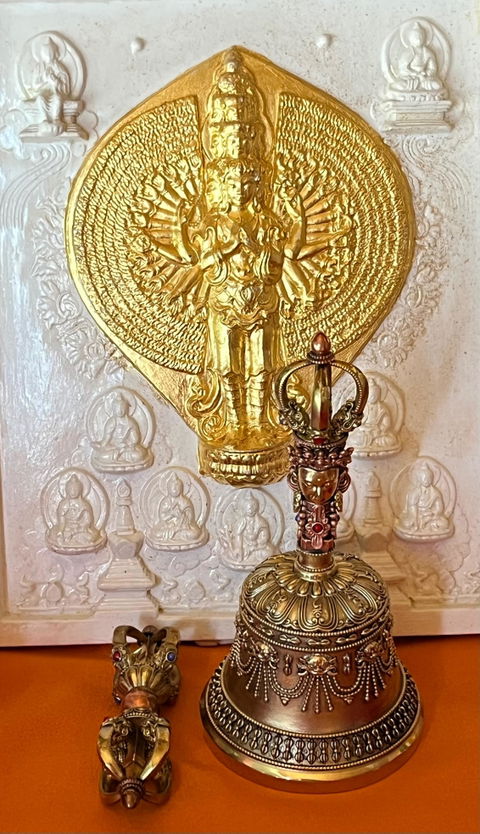
This vajra and bell set is the nicest I have had in 30 years. It’s so detailed and finely crafted, with beautiful materials and gem stones, it has exactly the right weight and produces a wonderful sound. I will definitely buy it again as gifts for teachers and fellow practitioners. Shipment was relatively fast. It ships from China.
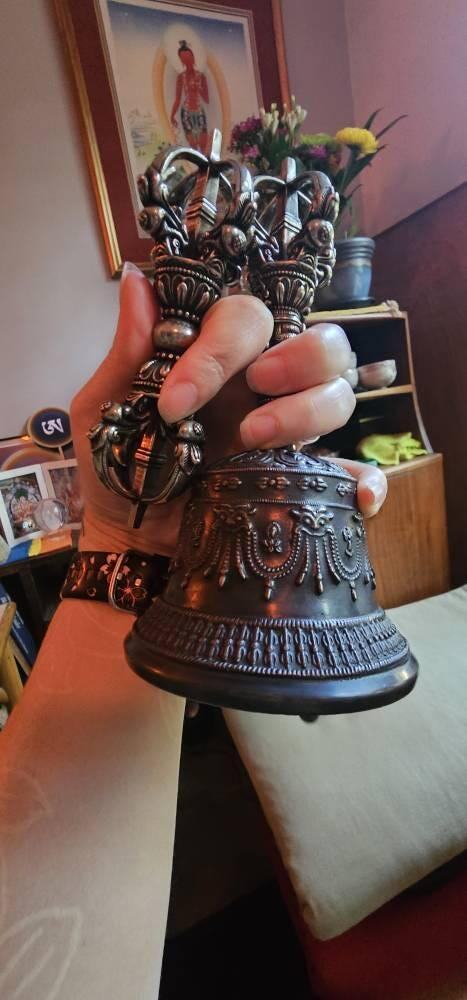
Beautiful product, I'm very happy with purchase.
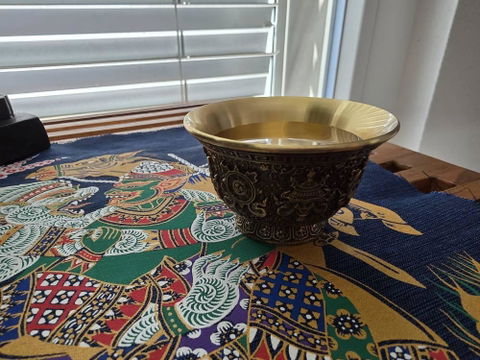
Super happy with the bowl. It is very detailed and exactly what i was look for. The contact with the shop owner was super friendly, the shipping quick and well wrapped. Thank you verry much.
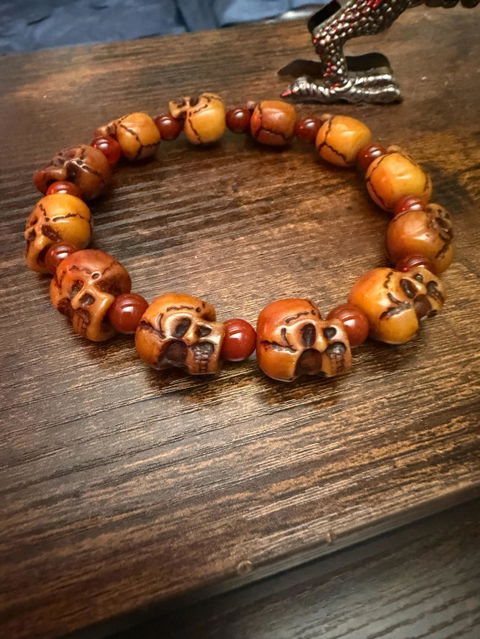
An incredible and beautiful bracelet with a great look and feel, made beautifully, and I love the little shrine that came with it thank you!
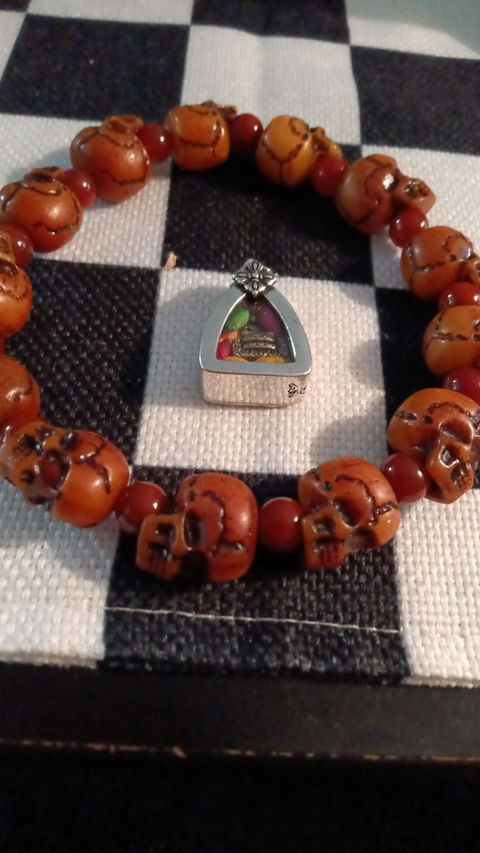
OMG IT'S AWESOME. It's such a beautiful bracelet and so very very well made. I'm so happy that I found this wonderful company. They are truly fine craftsman. Please support them by buying one of their products. You will be forever happy that you did. Blessings on the Everest Art Studio. Thank you so very much for the beautiful gift as well. I will wear it for the rest of days. Namaste
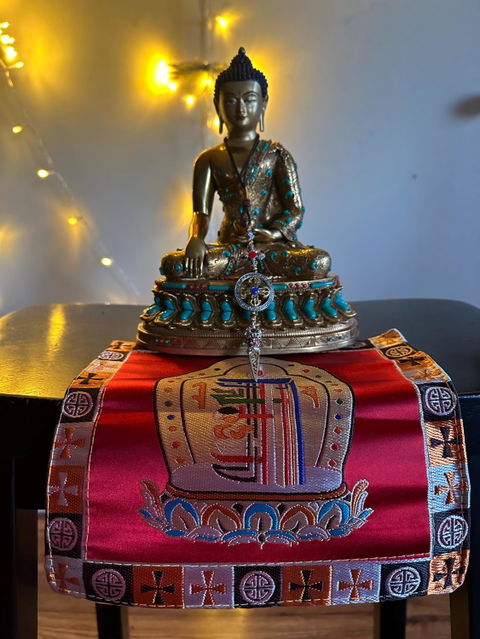
The quality and craftsmanship of this sacred piece was on an entirely divine level!!! And it's clear that Woser from EverestartStudios cares about every detail, including the sustainability of the packaging process and your experience as a customer!!! So grateful this sublime piece of sacred art!!!
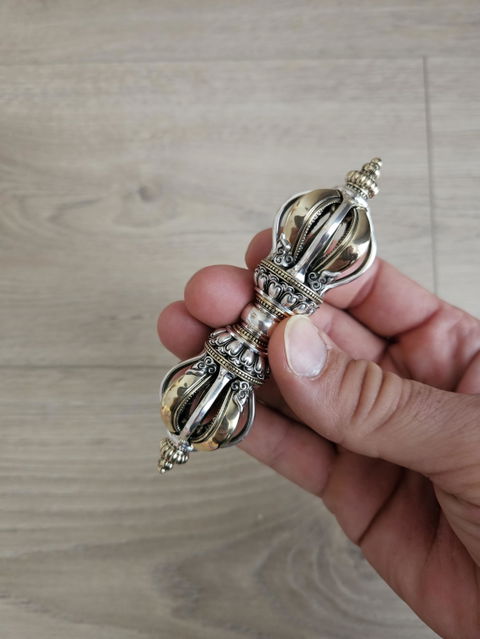
Great quality item, outstanding packing, thank You
